Childhood Obesity Practical Pearls
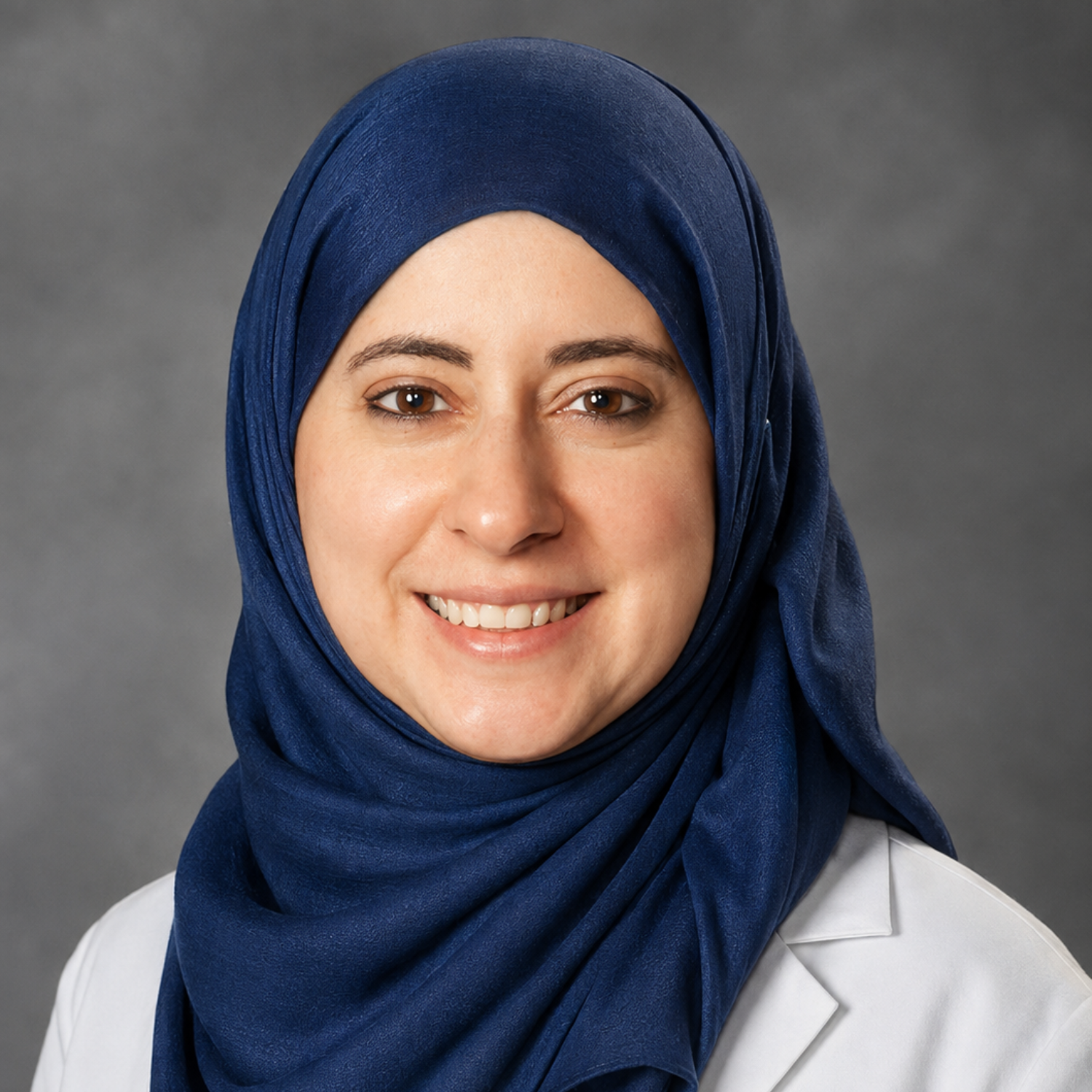
Ladan Davallow, MD
Pediatric Endocrinologist
Founder & Chief Medical Officer, EndoMD Health
Founder & Chief Executive Officer, Aimforth
Childhood obesity has become part of everyday clinical practice. In Qatar, the 2023 WISH and Ministry of Public Health policy proposal reported that overweight and obesity among children ages 5 to 14 increased from 44% in 2016–2017 to 49.3% in 2019–2020. In the United States, recent NCHS data put obesity prevalence at 21.1% among children and adolescents ages 2 to 19, with 7% meeting criteria for severe obesity.
For those of us caring for these children, identifying obesity is usually the easy part. The harder part is deciding what deserves further investigation, what we should screen for, how to have a useful conversation with the family, and when lifestyle treatment alone is no longer enough.
These are some of the things I pay the most attention to in my own practice.
Start with the growth chart
I spend a lot of time looking at growth trajectories because a single BMI does not tell the whole story. A child whose BMI has moved from the 90th to the 97th percentile in a year gives me different information from a child who has tracked steadily at the 97th percentile since age four.
I look at BMI trajectory alongside height velocity and the timing of the weight change. Often, the signal that makes me intervene is not the percentile itself but the change in trajectory.
Qatar already has an opportunity to identify these children early. The School Children Growth Monitoring Program measures growth in schools and refers at-risk students to health centers, while PHCC well-baby clinics monitor younger children. Once an abnormal trajectory is identified, that is an opportunity to look more closely rather than simply recheck the measurement the following year.
Height is as important as weight
One of the first things I look at is height velocity. Children gaining excess weight from common obesity generally continue to grow normally or even accelerate in linear growth. When weight is rising while height percentile is falling, I look more closely for an endocrine or syndromic cause.
Most childhood obesity is multifactorial, with genetics, appetite regulation, environment, sleep, medications, activity and many other factors contributing. Every so often, though, the growth chart points us in another direction.
Other findings that get my attention include severe obesity beginning before age five, marked hyperphagia or unusual food-seeking behavior, developmental delay, intellectual disability, dysmorphic features, or examination findings that suggest an underlying genetic or endocrine disorder.
That combination of rising weight and slowing height can be especially helpful because it changes the workup. Hypothyroidism, Cushing syndrome, growth hormone deficiency and genetic causes move much higher on my differential.
Screen for the complications that may still be silent
Children with obesity can feel perfectly well while metabolic complications are already developing, so screening needs to be part of routine care.
I consider the child's age, degree of obesity, family history, examination and risk factors when deciding what to order. Depending on the child, that may include evaluation for dyslipidemia, abnormal glucose metabolism, fatty liver disease and hypertension. I also ask about symptoms of obstructive sleep apnea, menstrual irregularity and hyperandrogenism in adolescent girls, mental health concerns and disordered eating.
Knowing what not to order routinely matters too. Fasting insulin levels or oral glucose tolerance tests rarely change my management. I also do not routinely order thyroid or cortisol testing simply because a child has obesity. An elevated TSH is often due to the elevated BMI itself rather than a thyroid problem, especially in an otherwise asymptomatic child with normal free T4 and negative thyroid antibodies. If the history, examination or growth pattern gives me a reason, then I investigate.
The first few minutes of the conversation matter
Many families arrive at an obesity visit already worried that they are going to be judged. Some have been having conversations about their child's weight for years.
Most physicians are trying to help, but literature shows that a large proportion of us have weight biases that may show up in our conversations.
I have found that spending two or three minutes understanding the family's perspective makes the rest of the visit much more productive. I start my visit with “What would you like to get out of today’s visit?” Instead of “What brings you in?”
I usually ask what they think has contributed to the weight change, what they have already tried, and whether this is something they feel ready to work on right now. Sometimes another problem in the family's life is taking priority, and knowing that before I give six recommendations saves everyone frustration.
I also explain obesity as a chronic disease with genetic, physiologic and environmental contributors. I try not to cast blame on parents or the child. I explain that genetics affects metabolism and appetite regulation and two kids the same age can have different body sizes even if they have the same diet and activity level. We also talk about relevant aspects of sleep, stress, medications, screens, food availability and activity.
I usually give families one or two things to work on
Lifestyle counseling can become overwhelming very quickly. We focus on building healthy habits rather than losing weight.
We focus on setting only one to two goals to avoid overwhelm. It might be water instead of juice with dinner, no eating after 8 pm, or limiting screen time to no more than 1 hour a day. At the next visit, we start with wins, see what they are still working on and build from there.
I also try to keep food language neutral. I avoid calling foods "good" or "bad," and I do not put children on restrictive diets. Much of the work happens at the family level because the child usually does not control what groceries enter the house, what is served for dinner, or what time everyone gets home.
Sleep comes up in nearly every obesity visit as well. I ask about bedtime, snoring and fragmented sleep, and I refer for sleep evaluation if there are red flags for sleep apnea. I also ask children what kind of movement they enjoy instead of simply telling them to exercise.
We do not have to do all of this ourselves
The AAP's 2023 Clinical Practice Guideline describes intensive health behavior and lifestyle treatment as most effective when it is family-based, multicomponent, and includes at least 26 hours of contact over 3 to 12 months.
That is difficult for one physician to provide in routine clinical practice.
A team can include a dietitian, behavioral health professional, school nurse, obesity specialist or structured community program, depending on what is available locally. Sometimes my most useful role is identifying the problem, evaluating for complications, and making sure the family gets connected with the next person who can help.
The Role of GLP-1s
One of the biggest changes in pediatric obesity care has been the availability of effective pharmacotherapy. The 2023 AAP guideline recommends offering adolescents ages 12 and older with obesity weight-loss pharmacotherapy when appropriate as an adjunct to health behavior and lifestyle treatment.
GLP-1 receptor agonists have been life-changing for my patients. Semaglutide is approved for adolescents ages 12 and older, and in the STEP TEENS trial, mean BMI decreased by 16.1% at 68 weeks compared with a 0.6% increase with placebo.
In Qatar, our approach to GLP-1 treatment in adolescents closely mirrors that of the United States. Semaglutide is used from age 12, while tirzepatide remains limited to patients 18 and older, keeping prescribing aligned with approved labeling.
GLP-1 receptor agonists are now prescribed across both public and private healthcare settings, expanding access to evidence-based obesity treatment for young people. Qatar is also contributing to the growing clinical experience in this field, with published work from Sidra Medicine and Hamad Medical Corporation describing GLP-1 use in adolescents with obesity and type 2 diabetes, as well as children with rare genetic forms of obesity.
It is encouraging to see these therapies becoming part of comprehensive, medically supervised obesity care for young people in Qatar.
The prescription itself is only part of the work. When I start a GLP-1 medication, I review contraindications, pancreatic and gallbladder history, gastrointestinal side effects and what to expect during titration. I also pay attention to adequate nutrition, protein intake, preservation of lean mass and signs of disordered eating.
I talk about long-term treatment early as well. Families deserve to know from the beginning that weight regain can occur after medication is stopped. We build lifelong habits and GLP-1s often make it easier for patients to do so. For example, I have a 15-year-old who had knee pain every time she tried to exercise. After she started a GLP-1, she was able to play basketball without pain and now plays more often. I have another patient who was unable to keep his dietary goals due to “food noise” and constant hunger. After starting a GLP-1, he was not constantly thinking about food and therefore was able to cut down sugar significantly. Not only that, but he was better able to concentrate at school and felt more confident overall.
A final thought
I have found that good childhood obesity care is often a series of relatively small decisions made early and followed over time. If we are able to help patients build tiny compounding habits, they are able to follow them their entire life.
I also want children and parents to leave the visit understanding that obesity is a chronic disease, not evidence that they have failed.
We have better tools to treat childhood obesity than we did even a few years ago. With GLP-1s, my patients are not only significantly improving their weight, but normalizing their metabolic labs and increasing their confidence, which permeates other parts of their lives.
References
- World Innovation Summit for Health (WISH) and Ministry of Public Health, Qatar. Childhood Obesity in Qatar: National Policy Proposal through Multisectoral Approaches. 2023.
- Ministry of Public Health, Qatar. National Clinical Guideline: The Management of Obesity in Children.
- World Health Organization. Noncommunicable diseases: Childhood overweight and obesity.
- National Center for Health Statistics. Prevalence of Overweight, Obesity, and Severe Obesity Among Children and Adolescents Ages 2–19 Years: United States, 1963–1965 Through August 2021–August 2023.
- Hampl SE, Hassink SG, Skinner AC, et al. Clinical Practice Guideline for the Evaluation and Treatment of Children and Adolescents With Obesity. Pediatrics. 2023;151(2):e2022060640.
- Weghuber D, Barrett T, Barrientos-Perez M, et al. Once-Weekly Semaglutide in Adolescents with Obesity. N Engl J Med. 2022;387(24):2245–2257.