Understanding the Gut Microbiome: The Internal Ecosystem
 The gut microbiome is a powerful contributor to human health, influencing digestive, immune, and nervous systems. Simple dietary habits-including increased fiber intake, adding fermented and prebiotic foods, staying hydrated, engaging in regular physical activity, getting adequate sleep, reducing stress, and maintaining a healthy diet—can promote microbial balance, gut health, and long-term wellness. Small daily choices can support a healthier gut and a healthier you.
Authors: Dr. Pooja Sajish V, Dr. Sohaila Cheema, Dr. Karima Chaabna
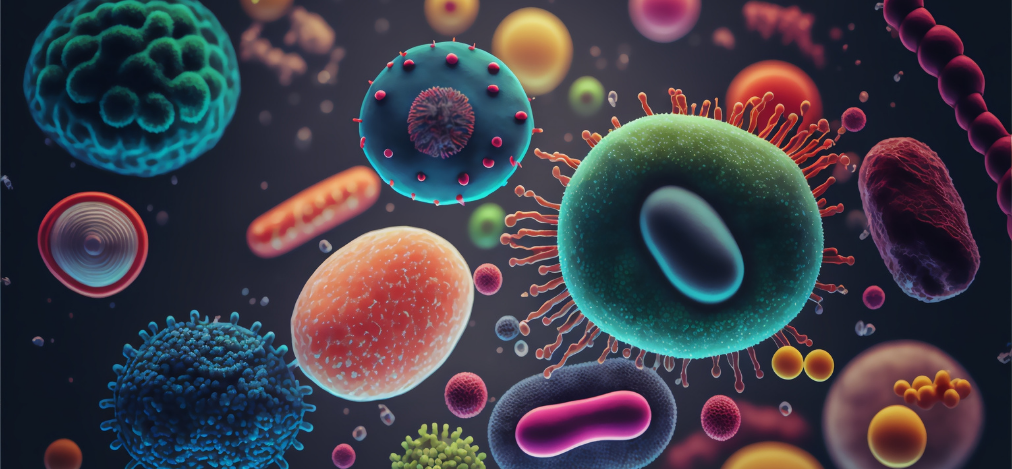
Our digestive system hosts trillions of microorganisms (also called microbes or microbiota) that form a complex microecosystem known as the gut microbiome. This microecosystem influences many aspects of our overall health, both within and beyond digestion, including a key role in immune function, mental health, metabolism, and disease prevention.
The gut microbiome
Our gut houses up to 1,000 different species of bacteria. Alongside bacteria, it harbors fungi, viruses, and other microorganisms, making it the most diverse microbiome in the human body. Multiple factors shape the composition of this microecosystem – including our genetics, diet, environmental exposures, and lifestyle choices. In fact, each person’s microbiome is considered as unique as a fingerprint.
The gut microbiome and overall health
Your gut microbiome works closely with various systems in your body and supports a wide range of essential functions.
Digestive system
Gut bacteria carry out several metabolic functions that the human body cannot perform independently including break down of complex dietary fibres and resistant starches and the production of enzymes necessary to synthesize some essential vitamins like vitamin K, B1, B9, and B12. Gut bacteria help break down bile after it aids fat digestion, allowing its components to be reabsorbed and recycled by the liver.
Immune system
The gut microbiome also plays a central role in immune function housing up to 80% of the body’s immune cells. Microbial interactions help train our immune cells to distinguish between beneficial and harmful organisms. The gut microbiome educates and regulates our immune system throughout the lifespan. Disruptions in the microbiome may increase susceptibility to allergic and autoimmune conditions.
Nervous system
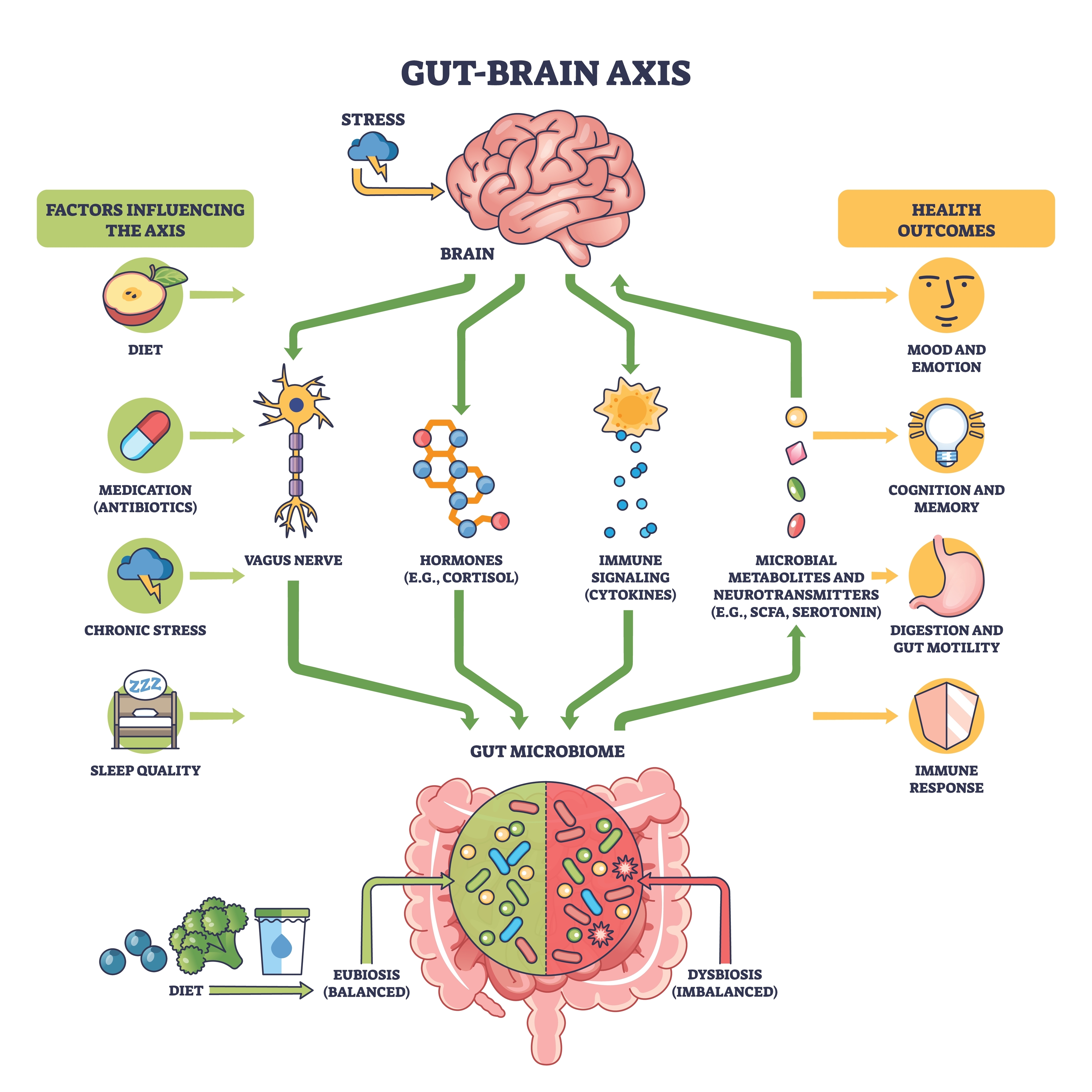
The gut and brain communicate through a two-way pathway known as the gut-brain axis. Gut microbes either produce or help generate many of the neurotransmitters that transmit signals between the gut and the brain. They also create other compounds that can influence the brain via the bloodstream. In turn, the brain and gut can reshape the gut microbiome by changing its internal environment Alterations in gut mircobiome composition are frequently observed in individuals experiencing mood disorders and mental health conditions, suggesting a powerful link between gut health and mental wellbeing.
Symptoms of dysbiosis of the gut microbiome
Dysbiosis refers to an unbalanced or unhealthy gut microbiome. This could mean an imbalance in the gut microbiome marked by a loss of/reduction of beneficial bacteria, an overgrowth of harmful bacteria, and an overall disruption of the normal microbial balance.
Typical symptoms may include: Gas and gas pain, bloated stomach, poor digestion, lower abdominal pain, diarrhea, and constipation
Taking care of your gut microbiome
Following are evidence-based dietary strategies to support an optimal and healthy microbiome.
Intake of adequate dietary fiber
Dietary fiber serves as the primary fuel source for many beneficial gut bacteria, which ferment it into health-promoting compounds.Depending on the age and gender, daily fiber intake between 21-38 grams is recommended. Specifically, younger adults (50 and under) are advised to consume 38 grams (men) or 25 grams (women), while older adults (over 50) should aim for 30 grams (men) or 21 grams (women). Good sources of fiber include apples, beans, carrots, oats, citrus fruits, wheat bran, whole wheat flour, quinoa, barley, cauliflower, and berries.
Use fermented foods
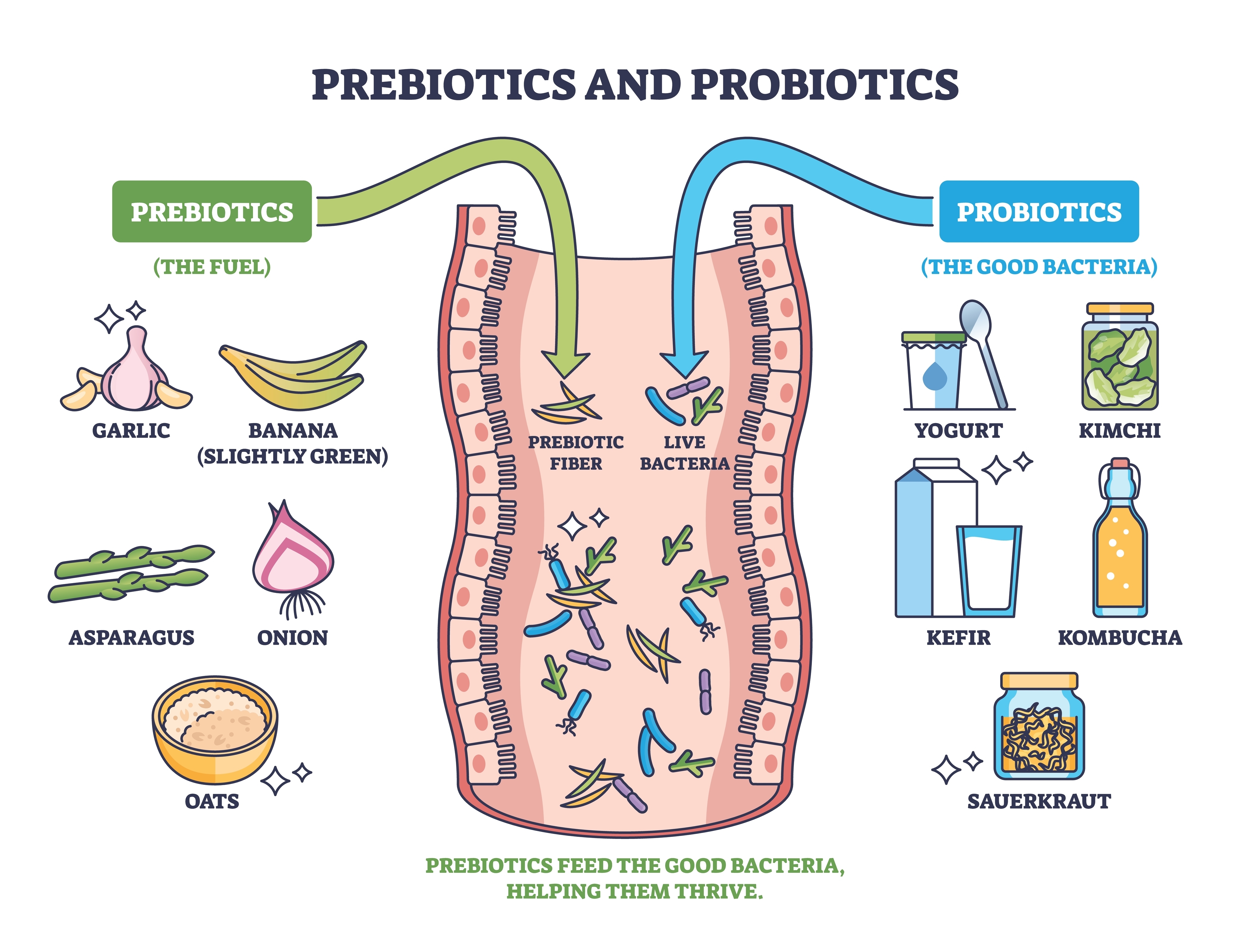
Microorganisms found in fermented foods such as yogurt, kimchi, and kombucha can support and improve gut health. As a type of probiotic (live microorganisms (micorbes) that can have beneficial effects on or inside the body), they help introduce beneficial bacteria into your gut microbiome.
Consume prebiotic foods
Prebiotics—found in foods such as apples, garlic, sweet potatoes, oats, and green bananas—are fiber types that selectively promote the growth of healthy bacteria.
Maintain adequate fluid intake
Total daily fluid intake of approximately 11.5 to 15.5 cups (2.7 to 3.7 litres) is adequate for most healthy adults. Proper hydration support digestion helps prevent constipation and maintains microbial balance.
Eat healthy food
Eating a variety of fruits, vegetables and fiber-rich food nourishes the gut microbiome. Limit foods high in sodium, processed and fried foods, red meat, and artificial sweetners.
Engage in regular physical activity
Staying physically active supports digestion and helps move food efficiently through your system. In general, experts recommend at least 150 minutes of moderate-intensity activity each week, such as walking, cycling, or even doing yard work.
Reduce stress
Chronic stress can disrupt the gut microbiome and throw your system out of balance. It triggers the release of hormones that may damage the gut lining, allowing harmful bacteria and toxins to enter the bloodstream. If you notice digestive issues during or after stressful periods, consider practicing relaxation techniques such as yoga, hiking, reading, or simply enjoying a warm cup of tea.
Get your sleep
The gut microbiome follows its own circadian rhythm, meaning it naturally changes throughout the day. Poor or insufficient sleep can disrupt this internal timing, leading to imbalances in gut bacteria. Aim for seven to nine hours of sleep each night to support optimal gut and overall health.
The gut microbiome is a powerful contributor to human health, influencing digestive, immune, and nervous systems. Simple dietary habits-including increased fiber intake, adding fermented and prebiotic foods, staying hydrated, engaging in regular physical activity, getting adequate sleep, reducing stress, and maintaining a healthy diet—can promote microbial balance, gut health, and long-term wellness. Small daily choices can support a healthier gut and a healthier you.
Sources: Cleveland Clinic1| Mayo Clinic1| Harvard.T.H.Chan| Mayo Clinic2| NHS-UK| Cleveland Clinic2| Cleveland Clinic3| Cleveland Clinic4| Cleveland Clinic5| Cleveland Clinic6| Mayo Clinic3|
Edited by: John Alexander Hayward